But I offered to work for free. The hiring supervisor appreciated that and used me a job. I worked 60 hours a week. I just earned money for 29 hours, so they could prevent paying me medical advantages. At the time, I was making the handsome amount of $4 an hour.
On Saturday and Sunday, I worked 12-hour shifts as a cook in a dining establishment in Queens, New York City. In the meantime, I got certified to become a broker. Slowly but definitely, I increased through the ranks. Within two years, I was the youngest vice president in Shearson Lehman history. After my 15-year profession on Wall Street, I started and ran my own global hedge fund for a years.
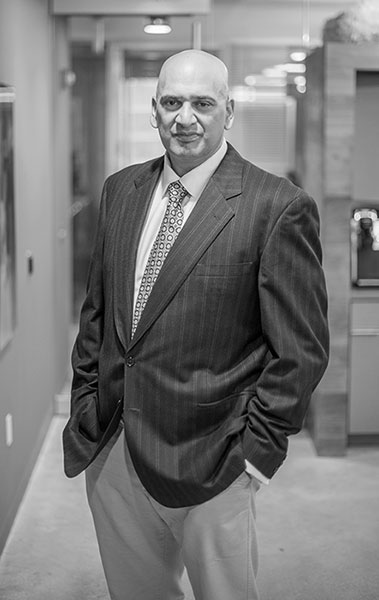
However I haven't forgotten what it feels like to not have enough money for groceries, not to mention the expenses. I keep in mind going days without eating so I might make the rent and electric bill. I remember what it resembled maturing with nothing, while everyone else had the most current clothing, gizmos, and toys.
The sole income source is from subscription profits. This right away eliminates the predisposition and "blind eye" reporting we see in much of the traditional press and Wall Street-sponsored research study. Discover the finest financial investment concepts in the world and articulate those ideas in a way that anybody can comprehend and act upon.
When I seem like taking my foot off the accelerator, I remind myself that there are countless driven competitors out there, hungry for the success I have actually been fortunate to protect. The world does not stand still, and I understand I can't either. I like my work, but even if I didn't, I have actually trained myself to work as if the Devil is on my heels.
However then, he "got greedy" (in his own words) and hung on for too long. Within a three-week span, he lost all he had made and whatever else he owned. He was eventually obliged to submit personal insolvency. 2 years after losing whatever, Teeka rebuilt his wealth in the markets and went on to introduce a successful hedge fund.